ABC Kids - Tracing & Phonics
RV AppStudiosEducational
4.63.94K Reviews
- Version
- Varies With Device
- Installs
- 50.00M
- Age Rating
- Everyone
Screenshots
Our Review of ABC Kids - Tracing & Phonics
 Analysis by Appyee
When a young child is just beginning to notice letters, a short, hands-on activity can be easier to fit into the day than a formal lesson. I like that ABC Kids - Tracing & Phonics puts letter practice and early sound learning in the same playful space. It is an educational game from RV AppStudios, aimed at toddlers, preschoolers, and kindergarten-age children. For a parent looking for a gentle introduction to the alphabet rather than a full reading course, that focus is useful.
Engaging and Educational
One of the first things that struck me about ABC Kids - Tracing & Phonics is how intuitive and engaging it is. The app is designed for young learners, and it shows. With its bright colors and friendly animations, it immediately captures the attention of kids. The interface is super easy for them to navigate, which means less frustration and more learning.
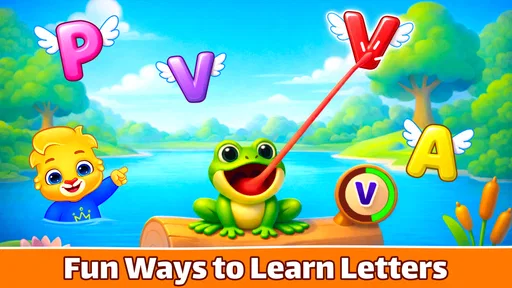
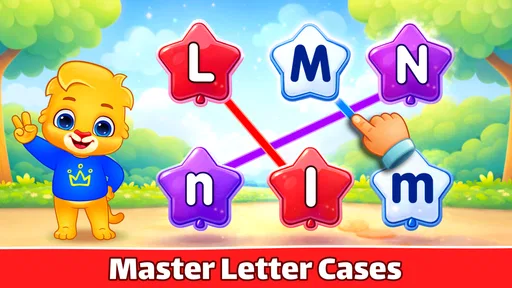
What makes this app stand out is its focus on phonics. It’s not just about recognizing letters; it’s about understanding the sounds they make. This is crucial for early reading skills. The app offers a variety of activities like letter tracing, matching, and phonics games that keep kids entertained while they learn. Trust me, it’s like sneaking veggies into their favorite dish!
Small goals that make starting easy
The first useful goal here is a manageable one: spend a few minutes looking at a letter, trying its shape, and listening for its sound. That is a better fit for a restless preschooler than expecting them to sit through a long lesson. I would introduce the game as a brief activity, then let the child choose whether to trace or explore another task. The choice helps the session feel like play rather than a test.
A practical routine is to connect a screen activity to something nearby. After a child works with a letter, ask them to spot it on a book cover or a food package. The game can provide a starting point, while the real-world search checks whether the letter has begun to mean something beyond the screen. I would keep this light: if the child loses interest, stopping is more useful than turning practice into a struggle.
Features That Shine
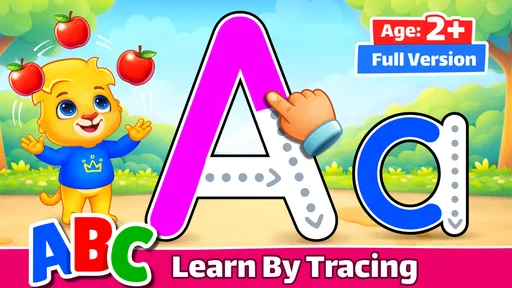
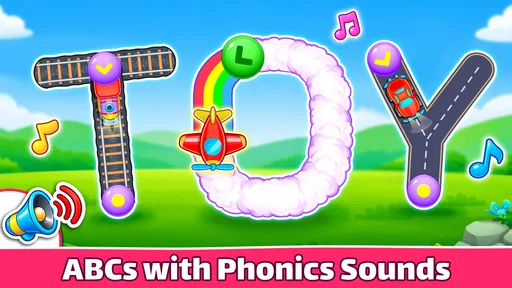
One feature I really appreciate is the app's interactive tracing functionality. Kids can trace letters with their fingers, and the app provides instant feedback, which is great for reinforcing correct letter formation. There's also a nifty "ABC song" that kids can sing along to, helping them memorize the alphabet effortlessly.
Another cool aspect is the app's rewards system. As children complete tasks, they earn stickers that they can use to customize their experience. It's a small touch, but it keeps them motivated and coming back for more. Plus, there's no Wi-Fi needed, so goodbye to those "Are we there yet?" moments during long car rides!
What progress looks like in practice
For a young learner, progress is not always a neat sequence from one mastered letter to the next. I would watch for small signs: a child remembering a familiar shape, attempting a tracing motion with more control, or connecting a sound heard in the game to a word during the day. Stickers can make finishing a task feel rewarding, but they are not the same as evidence that a skill has stuck. A quick conversation or a letter hunt away from the device gives a more meaningful check.
The tracing activity also offers a useful opportunity for a grown-up to notice how a child approaches the task. Some children will move quickly and need a reminder to follow the shape; others may need time to get comfortable with finger movements on a screen. I would praise effort and careful attempts rather than insist on perfect lines. That keeps the game from becoming a handwriting drill before the child is ready.
Pacing, challenge, and when to step in
The activities are built around simple early-learning actions, so I would not choose this as a game for a child who wants complex puzzles or escalating competition. Its appeal is the repeatable practice, not a demanding challenge curve. That can be a strength for a beginner who benefits from revisiting letters, but a child who already recognizes the alphabet may quickly want a broader reading activity.
Parents can help set the pace by keeping sessions short and changing the task when attention starts to fade. If a child is eager to repeat a letter, there is no need to push them onward just to cover more material. If they are getting frustrated, switch to singing or pause altogether. The aim is steady familiarity, not a high score or a race through every activity.
In an everyday situation, I can see this working during a quiet stretch before dinner: a child tries a few letters while an adult prepares food, then points out one of those letters on a familiar package. It also suits a waiting room or a trip when a device is already being used, especially since the game can be used without Wi-Fi. I would still treat it as a small activity, not a substitute for conversation, books, drawing letters on paper, or shared reading.
How it fits alongside other learning options
Compared with alphabet videos, this game asks a child to do more than watch: tracing and matching make the learner take an active turn. Compared with paper workbooks, it can respond during the activity and may feel more inviting to a child who resists pencil practice. Those formats still have advantages. A book or paper lets a child work away from a screen and use a pencil, while an adult can tailor the pace and explain a sound in their own words.
I would use the game as one part of a small mix rather than the whole literacy plan. Let the child try a letter on-screen, then look for it in a storybook or make its shape with a finger in the air. This pairing is especially helpful because tracing on glass does not fully prepare a child for controlling a pencil on paper. The app can encourage recognition and repetition, while offline activities build different habits.
Who will enjoy it, and who may want something else
This is most suitable for a child who is new to letters, enjoys colorful interactive activities, and benefits from repeating simple tasks at their own pace. It can also give a caregiver a ready-made activity when they want to introduce letter sounds without setting up a lesson. The game is free, has an Everyone age rating, and its audience is clearly young children; adults should still stay involved enough to connect screen practice to everyday language.
It may be less satisfying for older children who already read simple words or want a structured phonics curriculum with a clear sequence of lessons. A child who finds touch-screen tracing awkward may do better starting with large paper letters, finger painting, or a chunky pencil before returning to the screen. And if the goal is handwriting practice, an app alone is not enough: it cannot replace the feel and control involved in writing on paper.
Parental Peace of Mind
As a parent, safety is a top priority. Luckily, this app is free of ads and in-app purchases, which means you can hand over your phone without worrying about surprise charges. The app also includes a "Parental Control" feature, allowing you to monitor and manage your child's progress with ease. You can even adjust the difficulty level to match your child’s learning pace.
For practical planning, the game is free and works without Wi-Fi, making it convenient for offline moments such as travel. It was released on March 3, 2016, and version 2.3.2 supports Android 6.0 and later. The broad adoption is reassuring for parents comparing early-learning games: it has more than 50 million installs, an average rating of 4.6 from around 89,000 ratings, and roughly 3,900 written reviews. Those figures do not tell me whether a particular child will enjoy it, so I would still try a short session and see how they respond.
Motivation without turning practice into pressure
Stickers give children a visible reason to finish activities, but I would avoid making them the main reason to play. A helpful approach is to let the child enjoy the reward, then ask about the letter or sound they just encountered. If they only want to collect stickers and rush through, slow the session down with a simple real-world prompt. If they are happily repeating a letter, let repetition do its work instead of pushing for more rewards.
The game’s repeatable tasks can support a routine, but a routine need not mean daily screen time. Some days a shared book or a conversation about letters will fit better. This is an educational game, not a replacement for adult guidance, and children learn at different speeds. I find that distinction important: the app can make practice accessible, while the adult helps decide when to continue, change activities, or stop.
Progression verdict
In a category full of alphabet videos, flashcards, and early-learning games, this one earns its place through a straightforward combination of tracing, matching, phonics, and a song. The activities offer clear short-term goals and light rewards, but the experience is intentionally simple rather than built around intense challenge or long-term unlocks. I see that as a sensible trade-off for very young beginners, though it means children who need deeper lessons may outgrow it.
In a world filled with digital distractions, it’s refreshing to find an app that’s both educational and entertaining. ABC Kids - Tracing & Phonics does a fantastic job of blending learning and play, making it a must-have for any parent looking to give their child a head start in literacy.
Privacy and Permissions
See what permissions an app requests and how it handles your data.
- Other
- view network connections, full network access, run at startup, control vibration, prevent device from sleeping, Google Play license check
Verdict
Strengths of ABC Kids - Tracing & Phonics
- Engaging, colorful interface for children.
- Simple navigation that's kid-friendly.
- Free to download with no ads.
- Supports multiple languages.
- Encourages independent learning.
Limitations of ABC Kids - Tracing & Phonics
- Limited advanced features for older kids.
- No parental progress tracking.
- Requires internet for full features.
- Some content may repeat often.
- Graphics may be basic for some users.
Other Releases by RV AppStudios
View All
Coloring Games: Color & Paint
Educational4.4

Drawing Games: Draw & Color
Educational4.3

Baby Games: Piano & Baby Phone
Educational4.4

Puzzle Kids: Jigsaw Puzzles
Educational4.4
Similar Picks in This Category
View All
Little Panda Policeman
BabyBus4.0

Monster Trucks Game for Kids 2
Raz Games4.1

Little Panda's Chinese Recipes
BabyBus4.4

Little Panda's Restaurant
BabyBus4.4

Little Panda's Ice Cream Games
BabyBus4.3

Baby Panda Care
BabyBus3.8
Frequently Asked Questions
What age group is ABC Kids - Tracing & Phonics suitable for?
ABC Kids - Tracing & Phonics is designed for young children, typically aged 2 to 5 years. The app focuses on early learning by promoting letter recognition and phonics through fun and interactive activities. It's perfect for toddlers and preschoolers who are just starting to learn the alphabet.
Is ABC Kids - Tracing & Phonics available on both Android and iOS?
Yes, ABC Kids - Tracing & Phonics is available for download on both Android and iOS platforms. You can find the app in the Google Play Store for Android devices and the Apple App Store for iOS devices, making it accessible to a wide range of users.
Does ABC Kids - Tracing & Phonics include in-app purchases or advertisements?
ABC Kids - Tracing & Phonics is a free app that does not include any in-app purchases or advertisements. This ensures a safe and uninterrupted learning experience for children, allowing parents to feel comfortable letting their kids explore the app independently.
Can ABC Kids - Tracing & Phonics be used offline?
Yes, ABC Kids - Tracing & Phonics can be used offline. Once downloaded, all the app's features are available without the need for an internet connection. This makes it a convenient option for on-the-go learning, whether at home or during travel.
What kind of activities does ABC Kids - Tracing & Phonics offer?
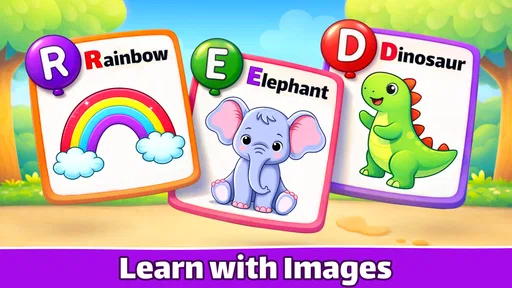
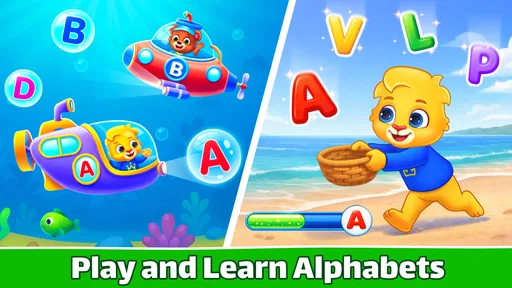
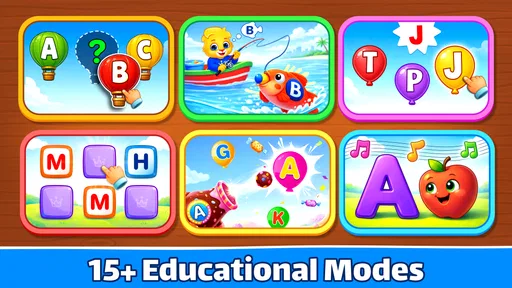
ABC Kids - Tracing & Phonics offers a variety of engaging activities such as letter tracing, matching games, and phonics exercises. These activities are designed to make learning enjoyable and interactive, helping children develop their alphabet skills and phonetic awareness through play.
Play our best games!


